

What are the effects of cooling time on PC+ABS plastic molding?
In the dynamic landscape of plastic molding, PC+ABS plastic has emerged as a material of choice for a wide range of applications, thanks to its excellent mechanical properties, heat resistance, and aesthetic appeal. As a leading PC+ABS plastic molding supplier, we understand the critical role that cooling time plays in the plastic molding process. In this blog, we will delve into the effects of cooling time on PC+ABS plastic molding, exploring how it impacts the quality, efficiency, and cost of the final products.
Understanding PC+ABS Plastic and the Molding Process
PC+ABS is a blend of polycarbonate (PC) and acrylonitrile butadiene styrene (ABS). Polycarbonate provides high impact resistance, heat resistance, and transparency, while ABS offers good processability, chemical resistance, and surface finish. The combination of these two polymers results in a material that combines the best properties of both, making it suitable for various industries such as automotive, electronics, and consumer goods.
The plastic molding process involves injecting molten PC+ABS plastic into a mold cavity under high pressure. Once the plastic fills the cavity, it needs to cool and solidify before the mold can be opened and the part ejected. The cooling time is the period from the end of the injection phase to the point when the part is rigid enough to be ejected without deformation.
Effects of Cooling Time on Part Quality
Dimensional Accuracy
One of the most significant effects of cooling time on PC+ABS plastic molding is its impact on dimensional accuracy. During the cooling process, the plastic shrinks as it transitions from a molten state to a solid state. If the cooling time is too short, the plastic may not have enough time to fully solidify and shrink uniformly. This can lead to warping, distortion, and dimensional variations in the final part. On the other hand, if the cooling time is too long, the part may experience excessive shrinkage, which can also affect its dimensional accuracy.
To ensure optimal dimensional accuracy, it is essential to control the cooling time carefully. This can be achieved by using a well-designed cooling system in the mold, which helps to maintain a uniform temperature distribution throughout the part. Additionally, the cooling time should be adjusted based on the part's geometry, thickness, and the specific grade of PC+ABS plastic being used.
Surface Finish
The cooling time also has a direct impact on the surface finish of the molded part. When the plastic cools too quickly, it can form a skin layer on the surface of the part, which may have a different texture and appearance compared to the rest of the part. This can result in a rough or uneven surface finish, which is undesirable, especially for parts that require a high level of aesthetic appeal.
Conversely, a longer cooling time allows the plastic to flow more evenly and fill the mold cavity completely, resulting in a smoother and more uniform surface finish. However, it is important to note that excessive cooling time can also lead to the formation of sink marks or voids on the surface of the part, which can also affect its appearance.
Internal Stress
Another critical aspect of part quality affected by cooling time is internal stress. When the plastic cools rapidly, it can generate internal stress within the part due to the differential shrinkage between the surface and the core of the part. This internal stress can cause the part to crack or deform over time, especially when subjected to external forces or environmental conditions.
By allowing the plastic to cool slowly and uniformly, the internal stress can be minimized. This can be achieved by controlling the cooling rate and ensuring that the temperature gradient within the part is as small as possible. A well-designed cooling system and proper mold design can help to achieve this goal.
Effects of Cooling Time on Production Efficiency
Cycle Time
The cooling time is a significant component of the overall cycle time in the plastic molding process. Cycle time refers to the time required to complete one full cycle of the molding process, including injection, cooling, and ejection. A longer cooling time means a longer cycle time, which can reduce the production efficiency and increase the cost per part.
To improve production efficiency, it is important to optimize the cooling time without compromising the part quality. This can be achieved by using advanced cooling technologies, such as conformal cooling channels, which can significantly reduce the cooling time by providing a more efficient and uniform cooling effect. Additionally, the mold design can be optimized to minimize the cooling time by reducing the part thickness and improving the heat transfer characteristics.
Mold Life
The cooling time can also affect the life of the mold. When the plastic cools too quickly, it can generate high thermal stresses within the mold, which can cause the mold to warp or crack over time. This can lead to premature mold failure and increase the cost of mold maintenance and replacement.
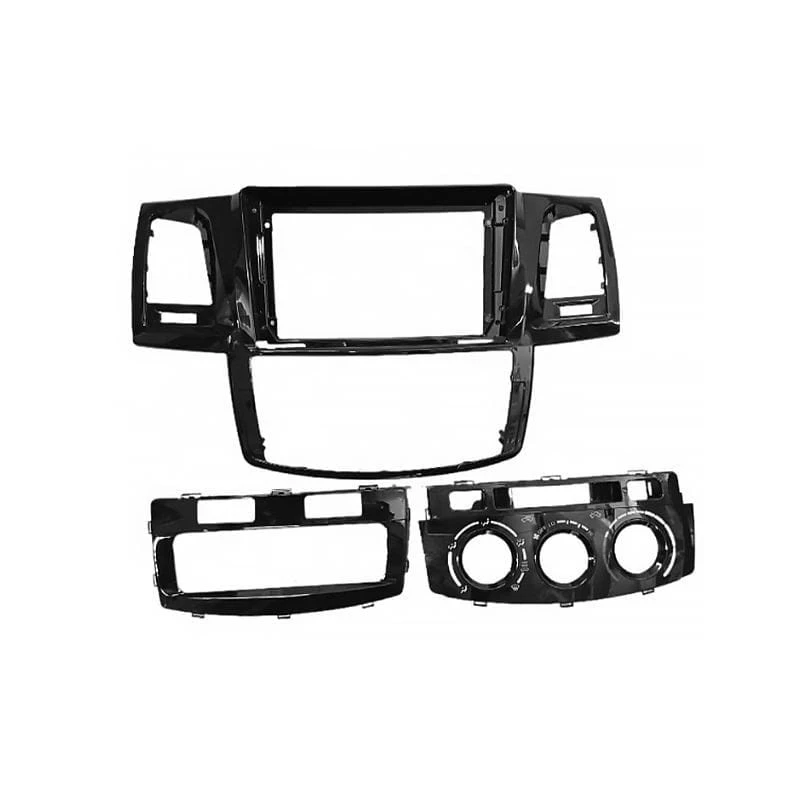

By controlling the cooling time and ensuring that the plastic cools slowly and uniformly, the thermal stresses within the mold can be minimized, extending the mold life. A well-designed cooling system and proper mold maintenance can also help to reduce the wear and tear on the mold and improve its durability.
Effects of Cooling Time on Cost
Energy Consumption
The cooling process requires a significant amount of energy to remove the heat from the molten plastic. A longer cooling time means more energy is consumed, which can increase the production cost. By optimizing the cooling time and using energy-efficient cooling technologies, such as water-cooled chillers or air-cooled condensers, the energy consumption can be reduced, resulting in cost savings.
Material Waste
In addition to energy consumption, the cooling time can also affect the amount of material waste generated during the molding process. If the cooling time is too short, the part may be ejected before it is fully solidified, resulting in defective parts that need to be scrapped. This can increase the material waste and the cost of production.
By ensuring that the cooling time is sufficient for the part to solidify completely, the number of defective parts can be minimized, reducing the material waste and the cost per part.
Conclusion
In conclusion, the cooling time plays a crucial role in the PC+ABS plastic molding process, affecting the part quality, production efficiency, and cost. As a PC+ABS plastic molding supplier, we are committed to providing our customers with high-quality molded parts at competitive prices. By understanding the effects of cooling time and implementing best practices in mold design and process optimization, we can ensure that our customers receive parts that meet their exact specifications and requirements.
If you are interested in learning more about our PC+ABS plastic molding services or have any questions about the cooling time or other aspects of the molding process, please feel free to [contact us for procurement and negotiation]. We look forward to working with you to achieve your plastic molding goals.
References
- "Plastic Injection Molding Handbook" by Rosato, Rosato, and Bordfield
- "Mold Design for Plastic Injection Molding" by Throne
- "Fundamentals of Plasticating Injection Molding" by Tadmor and Gogos