

What are the electro - rheological properties of PTFE and their relation to CNC machining?
Yo, what's up everyone! I'm a supplier in the PTFE CNC machining game, and today I wanna dive deep into the electro - rheological properties of PTFE and how they're related to CNC machining.
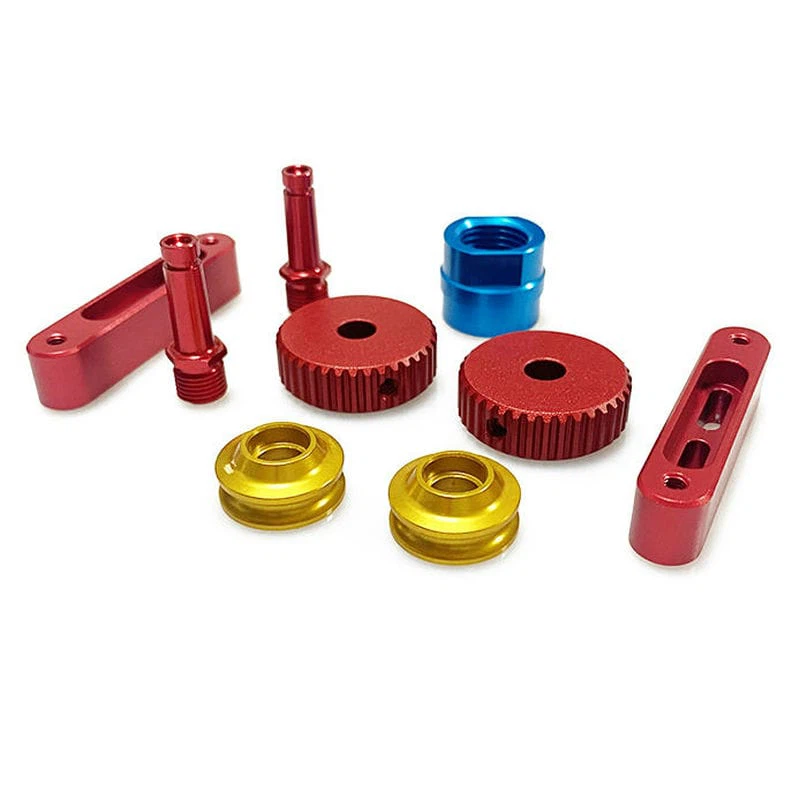

First off, let's talk a bit about PTFE. PTFE, or polytetrafluoroethylene, is one cool material. It's got some amazing properties like high chemical resistance, low friction, and great thermal stability. But what about its electro - rheological properties?
Electro - rheological (ER) fluids are materials whose viscosity can change significantly when an electric field is applied. Now, PTFE itself isn't exactly an ER fluid in the traditional sense, but it does have some electro - related behaviors during machining. When we're doing Ptfe CNC Machining, we're dealing with a material that has unique electrical conductivity characteristics.
PTFE is a dielectric material, which means it can store electrical energy in an electric field. During CNC machining, the cutting tools interact with the PTFE workpiece. As the tool moves across the surface, there can be a build - up of static electricity. This static charge can have an impact on the machining process. For example, it might cause the chips produced during cutting to stick to the tool or the workpiece. This is where understanding the electro - rheological properties becomes crucial.
When an electric field is present, the forces between the PTFE molecules can change. In a normal state, the PTFE molecules are arranged in a relatively stable way. But when an external electric field is applied, the molecules can start to align or move in a different pattern. This can affect the material's flow behavior during machining. If the viscosity of the PTFE near the cutting area changes due to the electric field, it can either make the cutting process smoother or more difficult.
Let's think about the cutting forces. In CNC machining, we want to have consistent cutting forces to ensure a high - quality finish. The electro - rheological properties of PTFE can influence these cutting forces. If the material becomes more viscous under the influence of an electric field, the cutting forces might increase. This could lead to more wear and tear on the cutting tools and potentially a less precise machining result.
On the other hand, if we can control the electric field during machining, we might be able to optimize the cutting process. For example, by applying a specific electric field, we could reduce the static charge build - up and prevent the chips from sticking. This would improve the chip evacuation and make the machining process more efficient.
Now, compared to other materials used in CNC machining, like Aluminum Machining Service, PTFE's electro - rheological properties are quite different. Aluminum is a conductor, so the electrical behavior during machining is mainly about dealing with electrical currents and heat dissipation. In contrast, PTFE's dielectric nature means we're more focused on static electricity and the molecular - level changes caused by electric fields.
In Plastic Machining Services, PTFE stands out because of its unique electro - rheological properties. Other plastics might have different electrical conductivity and molecular structures, so the way they respond to electric fields during machining is also different.
To make the most of these electro - rheological properties in PTFE CNC machining, we need to use some special techniques. One approach is to use anti - static agents. These agents can help to reduce the static charge build - up during machining. They work by either neutralizing the static charge or by creating a conductive layer on the surface of the PTFE.
Another technique is to control the electric field around the machining area. This can be done by using electrodes or other electrical devices. By carefully adjusting the strength and direction of the electric field, we can manipulate the electro - rheological properties of the PTFE to our advantage.
We also need to pay attention to the machining parameters. The cutting speed, feed rate, and depth of cut all interact with the electro - rheological properties of PTFE. For example, a higher cutting speed might generate more heat and static electricity. By adjusting these parameters, we can try to balance the effects of the electro - rheological properties and achieve a better machining result.
In the real - world application of PTFE CNC machining, these electro - rheological properties can have a big impact on the final product. Whether it's a small PTFE component for an electronic device or a large PTFE part for an industrial machine, the quality of the machining can be affected by how well we understand and control these properties.
If we can master the electro - rheological properties of PTFE, we can offer better - quality products to our customers. We can reduce the number of defects, improve the surface finish, and increase the overall efficiency of the machining process.
So, if you're in the market for high - quality PTFE CNC machining services, don't hesitate to reach out. We've got the expertise and the knowledge to handle the unique electro - rheological properties of PTFE and ensure a top - notch machining result. Whether you need a single prototype or a large - scale production run, we're here to help.
In conclusion, the electro - rheological properties of PTFE play a significant role in CNC machining. By understanding these properties and using appropriate techniques, we can optimize the machining process and deliver excellent products. If you're interested in discussing your PTFE machining needs, feel free to get in touch for a detailed consultation.
References
- "Handbook of Polytetrafluoroethylene (PTFE) Technology"
- "CNC Machining: Principles and Applications"
- "Electro - Rheological Fluids and Their Applications"