

What is the function of a CNC heatsink?
Hey there! As a supplier of CNC heatsinks, I'm super stoked to chat with you about what these nifty gadgets are all about and why they're so important. So, let's dive right in and talk about the function of a CNC heatsink.

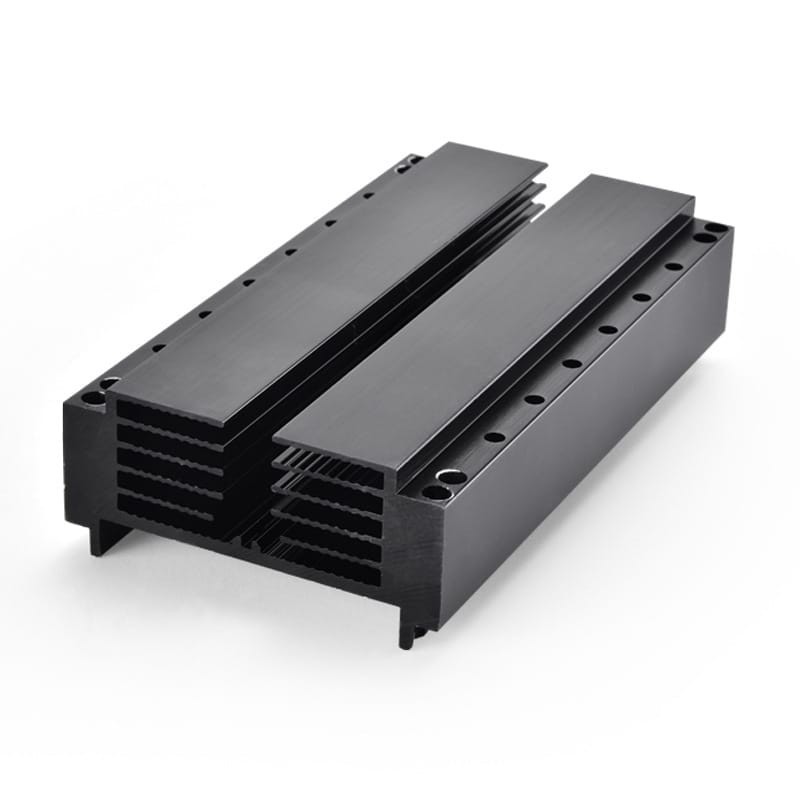
First off, what's a CNC heatsink? Well, CNC stands for Computer Numerical Control. It's a process where machines are controlled by computers to make precise cuts and shapes. A CNC heatsink is a component made using this high - precision method. You can check out our range of CNC Heatsink on our website.
Now, let's get to the main question: what's the function of a CNC heatsink? The primary job of a heatsink is to dissipate heat. In a lot of electronic devices, components like microprocessors, power transistors, and LEDs generate a ton of heat when they're working. If this heat isn't removed, it can cause some serious problems.
For example, in a computer's CPU, when it's running complex programs or games, it works really hard and gets hot. If the temperature gets too high, the CPU might start to slow down to prevent damage. This is called thermal throttling. And if the heat isn't managed over a long period, it can even lead to permanent damage to the CPU. That's where a CNC heatsink comes in.
A CNC heatsink is designed to absorb the heat from the hot component and transfer it to the surrounding air. It does this through a process called conduction and convection. Conduction is when heat moves from a hotter object to a cooler one when they're in direct contact. The heatsink is placed in contact with the hot component, like the CPU, and heat flows from the CPU into the heatsink.
Once the heat is in the heatsink, convection takes over. The heatsink usually has a lot of fins. These fins increase the surface area of the heatsink. The larger the surface area, the more heat can be transferred to the air. As the air around the fins gets heated, it rises, and cooler air moves in to take its place. This continuous cycle of hot air rising and cool air replacing it helps to carry the heat away from the heatsink.
CNC heatsinks are made with materials that are good conductors of heat. Aluminum is a popular choice. It's lightweight, relatively inexpensive, and has good thermal conductivity. You can also find our Aluminium Heat Sink Channel and Aluminium Heatsink Profile on our site, which are made from high - quality aluminum.
The precision of the CNC manufacturing process is crucial. It allows for very accurate shaping of the heatsink. This means that the heatsink can be designed to fit perfectly with the component it's cooling. For example, in a small electronic device, the heatsink needs to be small and compact but still effective. CNC machining can create heatsinks with complex shapes and fine details that are optimized for heat transfer.
Another function of a CNC heatsink is to improve the overall reliability and lifespan of electronic devices. By keeping the temperature of the components within a safe range, the device is less likely to experience failures due to overheating. This is especially important in industrial applications, where downtime can be very costly.
In the automotive industry, CNC heatsinks are used in electric vehicles. The batteries and power electronics in these vehicles generate a lot of heat during charging and discharging. A well - designed CNC heatsink helps to keep these components cool, which improves the efficiency of the vehicle and extends the life of the battery.
In the LED lighting industry, LEDs also produce heat. If the heat isn't managed properly, the brightness of the LED can decrease over time, and its lifespan can be shortened. A CNC heatsink for LEDs ensures that the light output remains consistent and the LED lasts longer.
Now, let's talk about why you should choose our CNC heatsinks. We've been in the business for a while, and we know how to make high - quality heatsinks. Our manufacturing process uses the latest CNC technology, which means we can produce heatsinks with very high precision.
We offer a wide range of sizes and shapes to meet different customer needs. Whether you need a small heatsink for a portable device or a large one for an industrial application, we've got you covered. And because we use high - quality aluminum, our heatsinks are durable and have excellent thermal performance.
If you're in the market for a CNC heatsink, we'd love to have a chat with you. We can work with you to understand your specific requirements and provide you with the best solution. Whether you're an electronics manufacturer, an automotive engineer, or someone in the LED industry, we can help you find the right heatsink for your project.
So, if you're interested in learning more or want to start a procurement discussion, just reach out to us. We're here to make sure you get the best CNC heatsinks for your needs.
References:
- "Thermal Management in Electronic Systems" - A textbook on heat transfer in electronics.
- Industry reports on the use of heatsinks in automotive and LED applications.