

What is the impact of mold design on abs plastic molding?
Hey there! As a supplier of Abs Plastic Molding, I've seen firsthand how crucial mold design is in the process. In this blog, I'm gonna break down the impact of mold design on abs plastic molding, sharing some real - world insights and experiences.

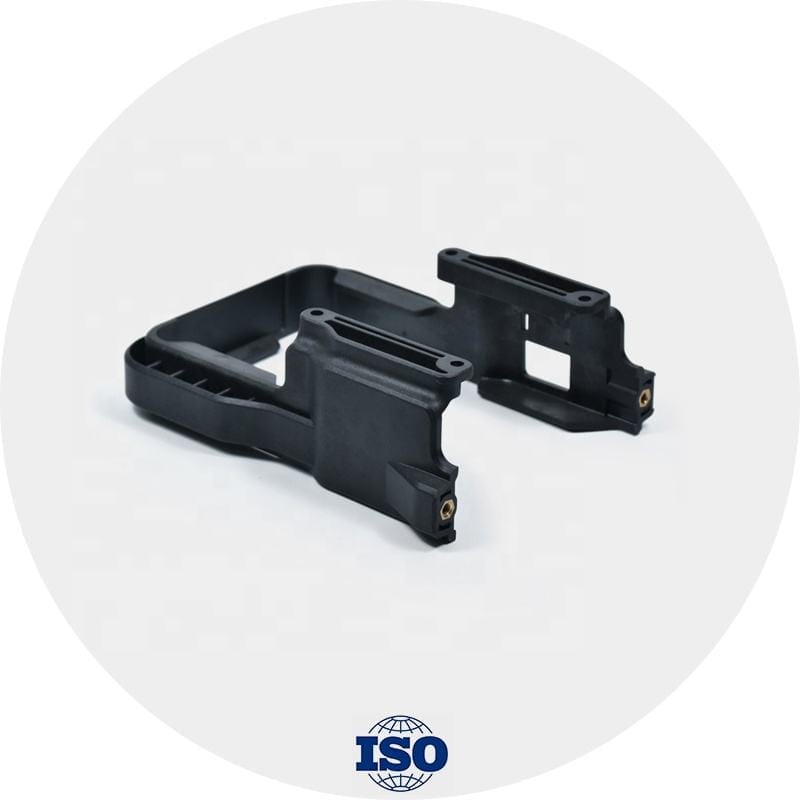
Let's start with the basics. ABS, or Acrylonitrile Butadiene Styrene, is a popular thermoplastic known for its toughness, rigidity, and good processing properties. It's used in a wide range of applications, from automotive parts to consumer electronics. When it comes to molding ABS plastic, the mold design plays a pivotal role in determining the quality, efficiency, and cost - effectiveness of the production process.
1. Quality of the Final Product
The quality of the final ABS plastic product is directly influenced by the mold design. A well - designed mold can ensure uniform wall thickness, smooth surfaces, and accurate dimensions. For example, if the mold has uneven cooling channels, it can lead to differential cooling rates in the plastic. This, in turn, can cause warping, sink marks, or internal stresses in the finished part.
Imagine you're making a smartphone case out of ABS plastic. A poorly designed mold might result in a case with a wavy surface or inconsistent thickness. This not only affects the aesthetics of the product but also its functionality. On the other hand, a properly designed mold with well - distributed cooling channels will allow the plastic to cool evenly, producing a high - quality case that fits perfectly and looks great.
Another aspect of quality is the presence of flash. Flash is the excess plastic that squeezes out between the mold halves during the molding process. A good mold design will have tight tolerances and proper sealing to minimize flash. If the mold is not designed correctly, flash can be a major issue, requiring additional post - processing steps to remove it, which increases production time and cost.
2. Production Efficiency
Mold design also has a significant impact on production efficiency. A well - designed mold can reduce cycle times, which is the time it takes to complete one molding cycle. One way to achieve this is through the use of multi - cavity molds. A multi - cavity mold allows multiple parts to be molded simultaneously in a single cycle. For instance, if you're making small ABS plastic components like buttons, a multi - cavity mold can produce 10, 20, or even more buttons at once, compared to a single - cavity mold that can only make one button per cycle.
In addition to multi - cavity molds, the layout of the mold can also affect efficiency. The runner system, which is the network of channels that delivers the molten plastic to the cavities, should be designed to minimize pressure drop and plastic waste. A well - designed runner system ensures that the plastic flows smoothly and evenly into all the cavities, reducing the chances of short shots (incomplete filling of the cavities) and improving the overall quality of the parts.
Moreover, the ease of mold maintenance is an important factor in production efficiency. A mold that is easy to disassemble, clean, and repair will spend less time in maintenance and more time in production. For example, if the mold has accessible cooling channels and removable inserts, it will be much easier to clean and replace worn - out parts, reducing downtime and increasing productivity.
3. Cost - Effectiveness
Cost is always a major consideration in any manufacturing process. Mold design can have a significant impact on the overall cost of ABS plastic molding. The initial cost of mold fabrication is one factor. A complex mold design with intricate features and high - precision requirements will generally cost more to manufacture than a simple mold. However, it's important to consider the long - term cost benefits. A well - designed mold may have a higher upfront cost but can result in lower production costs over time.
For example, a mold with a good runner system can reduce plastic waste. Since ABS plastic can be relatively expensive, minimizing waste can lead to significant cost savings in the long run. Also, a mold that produces high - quality parts with fewer defects will reduce the need for rework and scrap, which also saves money.
Another cost - related aspect is the energy consumption during the molding process. A mold with efficient cooling and heating systems will require less energy to operate. For instance, a mold with well - designed cooling channels can cool the plastic faster, reducing the energy needed for the cooling process and shortening the cycle time, which ultimately lowers the cost per part.
4. Design Flexibility
Mold design also offers a certain degree of design flexibility for ABS plastic products. With the right mold design, it's possible to create complex shapes and features that would be difficult or impossible to achieve through other manufacturing methods. For example, using techniques like insert molding or overmolding, it's possible to combine different materials or add additional components to the ABS plastic part during the molding process.
Insert molding allows you to place metal or other plastic inserts into the mold before the ABS plastic is injected. This can be useful for adding threaded inserts, electrical contacts, or other functional components to the part. Overmolding, on the other hand, involves molding a layer of ABS plastic over another material, such as rubber or a different type of plastic, to create a part with multiple functions or improved grip.
5. Compatibility with Other Processes
In many cases, ABS plastic parts need to be further processed or assembled after molding. The mold design should be compatible with these downstream processes. For example, if the part needs to be painted or plated after molding, the surface finish of the mold should be suitable to ensure good adhesion of the paint or plating. If the mold produces a rough surface, it may require additional surface treatment before painting or plating, which adds to the cost and time.
Also, if the ABS plastic parts are going to be assembled with other components, the mold design should ensure that the parts have the correct dimensions and tolerances for a proper fit. For example, if you're making ABS plastic housings that need to be assembled with electronic components, the mold should be designed to produce housings with precise dimensions to ensure a snug fit and proper functionality.
How Our Company Can Help
As an Abs Plastic Molding supplier, we understand the importance of mold design. We have a team of experienced mold designers who can work closely with you to create the perfect mold for your specific needs. Whether you need a simple mold for a small - scale production or a complex multi - cavity mold for high - volume manufacturing, we've got you covered.
We offer a wide range of Plastic Injection Service to ensure that your ABS plastic parts are produced with the highest quality and efficiency. Our state - of - the - art equipment and advanced manufacturing techniques allow us to create molds with tight tolerances and excellent surface finishes.
If you're interested in Pp Moulding or Polypropylene Injection Molding, we also have the expertise and capabilities to handle those projects. Our goal is to provide you with cost - effective solutions that meet your production requirements and exceed your expectations.
If you're in the market for ABS plastic molding or have any questions about mold design, don't hesitate to reach out. We're here to help you with your procurement needs and discuss how we can work together to achieve your manufacturing goals.
References
- "Plastic Injection Molding Handbook" by O. Olumuyiwa and A. I. Ismail
- "Mold Design for Injection Molding" by R. A. Malloy
- Industry reports on ABS plastic molding and mold design trends.