What are the characteristics of aluminum profiles?
Aluminum profiles, as a lightweight, high-strength metal material, are widely used in modern industry. Their unique properties play an important role in construction, transportation, machinery, electronics, and other fields. This article will detail the characteristics of aluminum profiles from various perspectives.
1. Lightweight and High Strength
The density of aluminum profiles is only about one-third that of steel, yet their strength is significantly higher. This means that for the same volume, aluminum profiles weigh significantly less than steel while maintaining sufficient load-bearing capacity. This characteristic makes aluminum profiles significantly advantageous in applications requiring weight reduction without sacrificing structural strength, such as aerospace and automotive manufacturing.
2. Excellent Corrosion Resistance
A dense aluminum oxide film easily forms on the surface of aluminum profiles. This film offers excellent corrosion resistance, effectively protecting against corrosive media in the atmosphere, water, soil, and other environments. As a result, aluminum profiles enjoy a long service life in outdoor environments, reducing the need for maintenance and replacement.
3. Good Processability
Aluminum profiles have excellent plasticity and machinability and can be formed into various shapes and specifications through various processes such as extrusion, casting, and rolling. This allows for high flexibility and customization during the manufacturing process, enabling them to meet the diverse needs of various industries.
4. Good Electrical and Thermal Conductivity
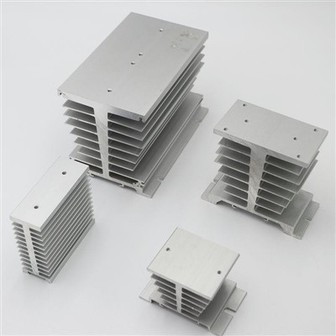
Aluminum profiles have excellent electrical and thermal conductivity, making them widely used in electronics, heat exchangers, and other fields. Aluminum profiles can be used as conductors for wires and cables, as well as in the manufacture of equipment such as radiators and heat exchangers, effectively improving their efficiency and service life.
5. Environmental and Sustainable
Aluminum profiles are highly recyclable. Discarded aluminum profiles can be recycled through smelting, achieving resource recycling. This characteristic gives aluminum profiles significant advantages in terms of environmental protection and sustainable development. Furthermore, the production process of aluminum profiles generates relatively little waste and pollution, contributing to environmental protection.
6. Diverse Surface Treatments
The surface of aluminum profiles can be treated through a variety of processes, such as anodizing, spray coating, and electrophoresis, creating a variety of appearances and textures. This not only enhances the aesthetics of aluminum profiles but also strengthens their corrosion and wear resistance. This diverse range of surface treatments makes aluminum profiles widely applicable in areas such as architectural decoration and household goods.
7. Excellent Electromagnetic Shielding Performance
Aluminum profiles possess excellent electromagnetic shielding properties, effectively blocking electromagnetic interference. This makes them valuable in electronic equipment, communications equipment, and other fields, protecting both equipment and personnel.